
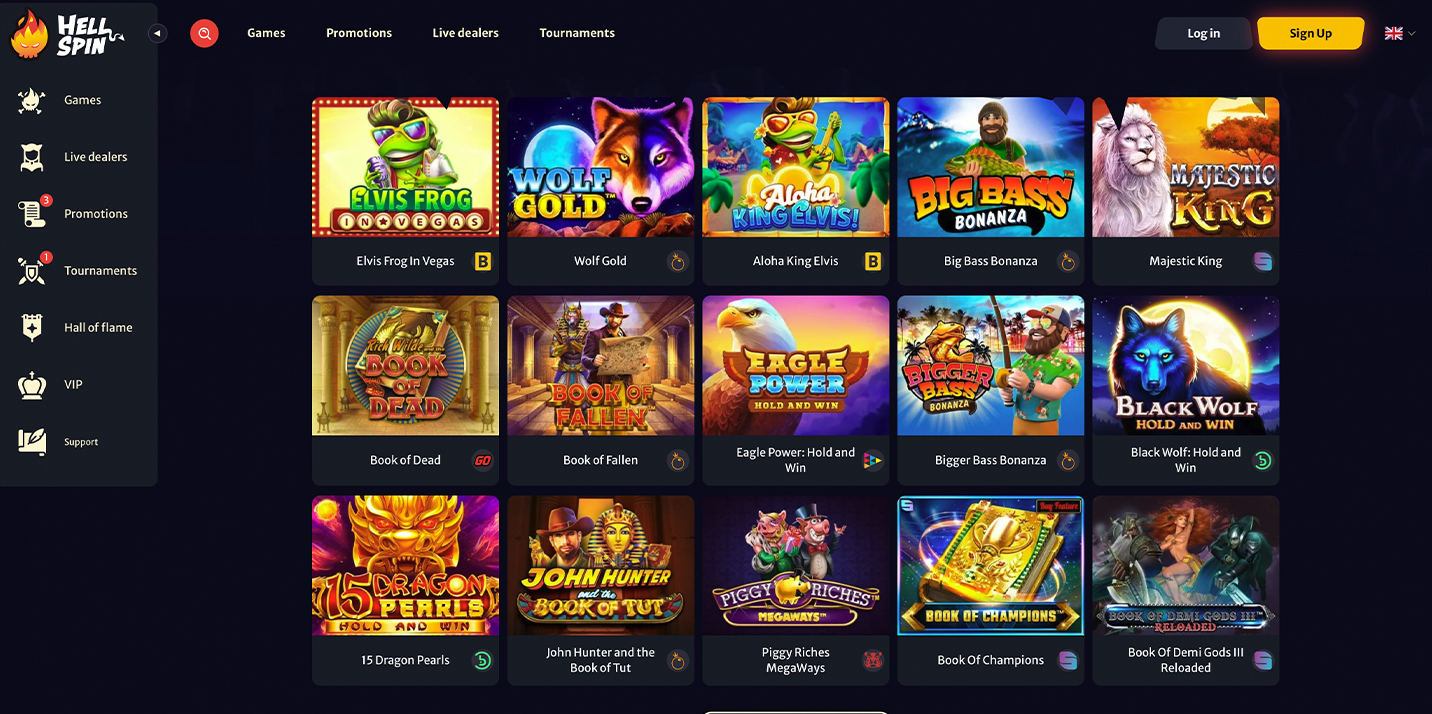
For players in the UK, the thrill of an online slot like Book of Kings is inextricably linked to the core confidence that every round is authentically random and just. We recognize that comprehending the strong systems ensuring this integrity is not just technical nuance but the very bedrock of a great gaming experience. This guide delves deep into the integrity standards and RNG certification that regulate the Book of Kings, delivering UK players with the clarity and assurance they rightly demand. We will investigate the particular licenses, third-party audits, and technological frameworks that make this medieval-themed adventure not only thrilling but also completely reliable. Our journey demonstrates how these behind-the-scenes systems work tirelessly to defend player interests and preserve the highest standards of integrity in the digital gaming sector.
What Does Fair Play Entail in UK Online Slots?
In the context of UK online slots, fair play goes beyond the simple concept of not cheating. It embodies a comprehensive ecosystem of regulations, technologies, and corporate ethics intended to ensure every player has an equal and transparent chance of winning. For a game like Book of Kings Slot, operating legally in the UK market, this begins with a licence from the UK Gambling Commission, one of the world’s most stringent regulatory bodies. This licence requires adherence to strict rules on game fairness, financial probity, and social responsibility. Fair play implies that the game’s theoretical Return to Player (RTP) percentage is accurately published and that the game mechanics function precisely as advertised, without hidden alterations. It ensures that outcomes are random and unpredictable, free from manipulation by either the operator or the player. Ultimately, for the UK audience, fair play is the legally enforceable promise that their time and money are spent in a secure and equitable digital environment.
The purpose of the Random Number Generator (RNG)
At the pulsating heart of every current online slot, such as Book of Kings, lies the Random Number Generator. This advanced software algorithm is the digital analog of shuffling a deck of cards trillions of times per second, generating a constant, unpredictable sequence of numbers that dictates the outcome of each spin the moment you press the button. The RNG works separately of any previous spins, guaranteeing that each result is a distinct, isolated event, a concept vital for UK players to understand. This “true randomness” is what makes strategies based on past outcomes fundamentally flawed and guarantees that luck is the only governing factor. The integrity of this system is critical; a corrupted RNG could be altered to produce expected patterns or limit wins. Therefore, the entire fair play framework is built around verifying, monitoring, and securing this core technology. It is the quiet, unbiased judge overseeing over every historic conquest or honorable defeat in the Book of Kings realm.
How RNGs Create Unpredictable Outcomes
The technical process of producing a random outcome in Book of Kings Slot is a intriguing blend of computer science and mathematics. Modern RNGs used by regulated platforms are typically pseudo-random number generators (PRNGs), started by a ‘seed’ value obtained from an unpredictable source, such as the precise millisecond of a server request or atmospheric noise. This seed is then handled through complicated mathematical formulas to produce a long, non-repeating sequence of numbers that is, for all practical gaming purposes, identical from true randomness. When you trigger a spin in Book of Kings, the game client sends a request to the safe gaming server. The RNG instantaneously picks a number from its sequence, which is then converted by the game’s software to a particular combination of symbols on the reels. This entire process, from your click to the decided outcome, occurs in milliseconds, ensuring flawless gameplay while maintaining absolute cryptographic integrity against forecasting or reverse-engineering.
UK Gambling Commission’s Licensing Requirements
For any operator providing Book of Kings Slot to UK players, having a licence from the UK Gambling Commission (UKGC) is not optional; it is a legal necessity. The UKGC’s licensing framework is arguably the gold standard globally, enforcing rules that directly enforce fair play. To obtain and maintain a licence, operators must demonstrate that their games, like Book of Kings, use a certified RNG that has been tested by an independent, approved testing house. The Commission requires transparent presentation of game rules tracxn.com and theoretical RTPs. Crucially, it demands operators to segregate player funds from company operational funds, securing player balances even in the unlikely event of business insolvency. The UKGC also actively monitors licensees for compliance, with the power to impose substantial fines or cancel licences for breaches related to fairness, anti-money laundering, or failure to safeguard vulnerable players. This rigorous supervision delivers a formidable safety net for the UK market.
Standards for Game Fairness and Transparency
The UK Gambling Commission enforces specific standards that directly translate to the fairness encountered by players of Book of Kings Slot. To begin with, it requires that all games are tested for fairness and correctness by a UKGC-approved testing agency before launch. The game’s advertised Return to Player percentage must be mathematically accurate and confirmable over the long term. Operators must also offer clear, accessible information on game rules, features, and the probabilities of winning prizes. For slots, this includes clarity on the presence of any progressive jackpots or bonus buy features. The Commission also stipulates that players must have easy access to their transaction history and game logs, enabling for personal checking of activity. These standards guarantee that a UK player rotating the reels of Book of Kings can do so with the certainty that the game’s mechanics are open, its outcomes are random, and its financial models are openly declared.
Independent Testing and Accreditation Agencies
While the UK Gambling Commission establishes the rules, independent testing agencies act as the on-the-ground inspectors, supplying the verified proof of compliance https://bookcasino.eu/book-of-kings/. Globally recognised organisations like eCOGRA, iTech Labs, Gaming Laboratories International (GLI), and NMi are routinely employed by reputable operators to audit games like Book of Kings Slot. These agencies conduct exhaustive technical evaluations of the game’s RNG, checking millions of simulated spins to validate the output distribution is statistically random and https://pitchbook.com/profiles/company/107986-24 unbiased. They verify that the published RTP is accurate by auditing the game’s source code and mathematical model. Furthermore, they assess the game’s logic and features to make sure they trigger correctly as per the design. A successful audit produces a certification certificate, which operators often show on their websites. For UK players, seeing that Book of Kings Slot holds a certificate from eCOGRA or a similar body is a tangible, third-party endorsement of its fairness.
The method Book of Kings Slot’s RNG gets Verified
The verification journey for Book of Kings Slot’s RNG represents a multi-layered process designed to remove any single point of failure. Initially, the game developer’s internal quality assurance team thoroughly tests the RNG algorithm and game math. Once passed, the complete game package gets sent to an independent testing lab, such as those mentioned earlier. The lab’s experts carry out a ‘black box’ analysis, playing vast numbers of automated game rounds to collect outcome data, which then undergoes statistical analysis for randomness. Simultaneously, they carry out a ‘white box’ audit, reviewing the actual source code of the RNG and game engine to identify logical flaws or hidden mechanisms. After certification, the operator’s gaming server, where the live RNG resides, is also audited to verify the certified software is installed correctly and has not been tampered with. This end-to-end scrutiny, from code to live deployment, ensures the version of Book of Kings Slot available to UK players is the exact, fair-tested version that was certified.
Constant Monitoring and Re-Certification
Verification isn’t a one-time event but an ongoing commitment. Reputable operators and game providers expose their live gaming environments, including Book of Kings Slot, to continuous monitoring. This involves periodic, unannounced re-audits by the independent testing agencies to ensure the live game performance still matches the certified parameters. Any update or modification to the game software, whether a minor bug fix or a major feature addition, initiates a mandatory re-certification process for the affected components. This ensures that the integrity of the RNG is maintained throughout the game’s lifecycle. Additionally, the UK Gambling Commission requires licensees to have their systems for game fairness and RNG testing reviewed regularly. This culture of continuous scrutiny acts as a powerful deterrent against post-certification tampering and provides enduring assurance for players that today’s game is as fair as the day it was launched.
Player Features: Return to Player, Volatility, and Gameplay Rules
Clear information is a player’s most powerful tool for making informed choices. In Book of Kings Slot, essential data like Return to Player (RTP) and volatility are openly shown. The RTP, commonly presented as a rate like 96% or 97%, reflects the expected return returned to players over an prolonged timeframe of play, computed across millions of spins. It is a statistical mean, not a certainty for any individual session. Volatility, also known as variance, describes the risk level of the slot. A volatile slot like Book of Kings tends to offer higher but less frequent wins, while stable slots offer lower, more frequent payouts. Furthermore, the complete game rules, detailing how the Free Spins feature is activated, how the unique expanding symbol works, and the prize table for all icon combinations, are readily available within the game’s information panel. Grasping these components allows UK players to match their gameplay strategy with their personal risk preference and gaming aims.
Which UK Players Should Do to Ensure They’re Playing Fairly
UK players are not merely passive receivers of fairness; they hold both rights and responsibilities in the system. First and foremost, they ought to only play Book of Kings Slot, or any other game, on sites authorised by the UK Gambling Commission, distinguishable by the licence number and logo at the footer of the website. Players are encouraged to review the operator’s dedicated page on fair play, which should link to the latest certification reports from independent testing agencies for their games. Employing the responsible gambling tools provided, such as deposit limits and reality checks, is also part of interacting with the platform fairly and safely. If a player ever thinks a game is malfunctioning or behaving oddly, they should immediately contact the operator’s customer support, who can provide game logs and, if necessary, escalate the issue for technical review. The UKGC also provides a direct channel for player complaints, offering an additional layer of oversight and recourse.
The Evolution of Transparent Technology in Online Slots
The landscape of fair play technology keeps evolving, fueled by both innovation and regulatory demand. One significant trend is the move towards ‘Provably Fair’ algorithms, especially in the cryptocurrency gaming space, which allow players to autonomously check the randomness of each spin using cryptographic techniques. While not widely adopted in mainstream UK-licensed fiat casinos like those offering Book of Kings Slot, the underlying principles of increased transparency are significant. Blockchain technology also offers potential for unalterable, transparent recording of every game transaction and outcome. Furthermore, we foresee even more rigorous real-time monitoring systems powered by artificial intelligence, adept at detecting anomalies in game performance or RNG output that may bypass periodic audits. For UK players, these advancements promise a future where the verification of fairness becomes even more sturdy, transparent, and potentially even interactive, strengthening the trust that makes the gaming experience truly enjoyable.